Case study · BlueStacks · 2016 – present
BlueStacks: three generations, one platform.
A financially successful but developer-led Android emulator became a user-centred gaming platform — then a community, then a performance-first product that won back the users it had lost.
- 2×
- Users and revenue · v3, in 4 months
- +66%
- Revenue YoY · v4
- 78%
- Churned users recaptured · v5
- −65%
- Startup time · v5
- Role
- Senior UX Designer → Principal Designer, leading design across three major releases
- Platform
- Windows desktop · Android emulation on x86/x64
- Scale
- Telemetry from 1.2M active users · 200+ interviews across generations
- Span
- BlueStacks 2 → 3 → 4 → 5

Where it started
I was a user four years before I was the designer.
In 2012 I installed BlueStacks to get WhatsApp onto a Windows PC for family without smartphones. It worked — and it looked like engineers had built it. "If I ever got the chance, I'd do this so much better." In November 2016 I joined the India team and got that chance. The business was strong; the experience wasn't.

What made it worth fixing
{{ v.title }}
{{ v.text }}
Who we designed for
Three players, three kinds of PC.
Surveys, interviews, analytics and social listening gave us three personas. The hardware they owned turned out to matter as much as the games they played.
-
{{ p.name }}
{{ p.who }}
Plays {{ p.plays }}
Blocked by {{ p.pain }}
Wants {{ p.wants }}
{{ g.label }}
{{ g.title }}
{{ g.intro }}
What was broken
{{ p.title }}
{{ p.text }}
How we worked
- {{ ph.weeks }}
{{ ph.title }}
{{ ph.text }}
What we shipped
{{ s.title }}
{{ s.text }}
- {{ m.value }}
- {{ m.label }}
Under the hood
A design system that grew up with the product.
There was no design system when I joined. Each generation added a layer: a foundation for v3, a theming and motion engine for v4, and performance budgets for v5.

-
{{ d.label }}
{{ d.title }}
- {{ i }}
-
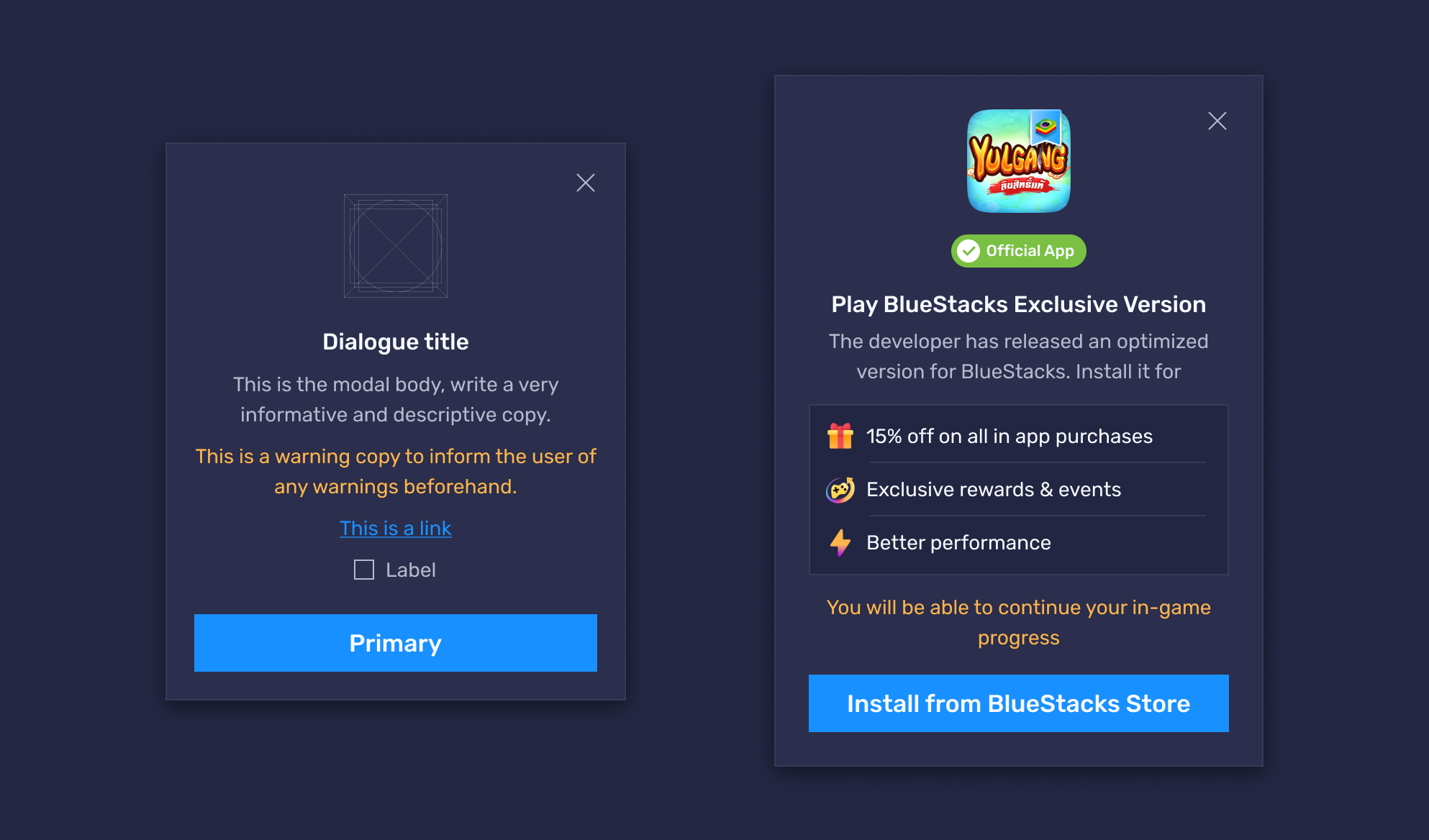
Modular dialogs — one template, many shapes
-
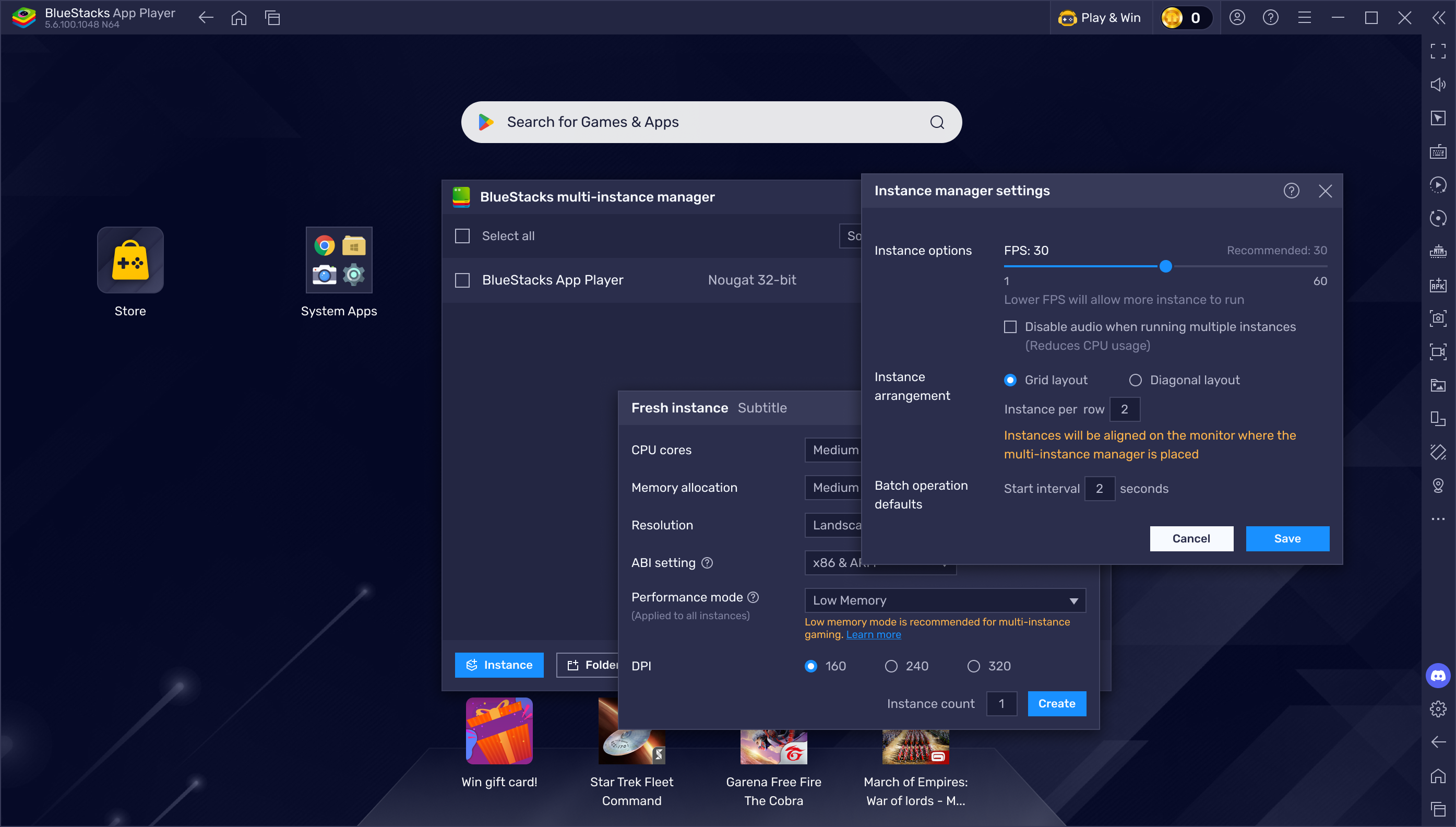
Instance manager — the same language across every surface
How we knew
Numbers for direction, conversations for meaning.
Every generation paired telemetry at scale with sitting next to real players. When we relied on one without the other, we misread what users wanted.
{{ m.group }}
- {{ i }}
What I'd carry forward
Sometimes removing a feature is the feature.
-
{{ l.title }}
{{ l.text }}
Where it goes next
Lighter, smarter, everywhere.
AI-tailored layouts and recommendations, a cross-device ecosystem that spans mobile, PC and console, cloud processing to lower the hardware floor further, and first-class tools for creators.